Our Services
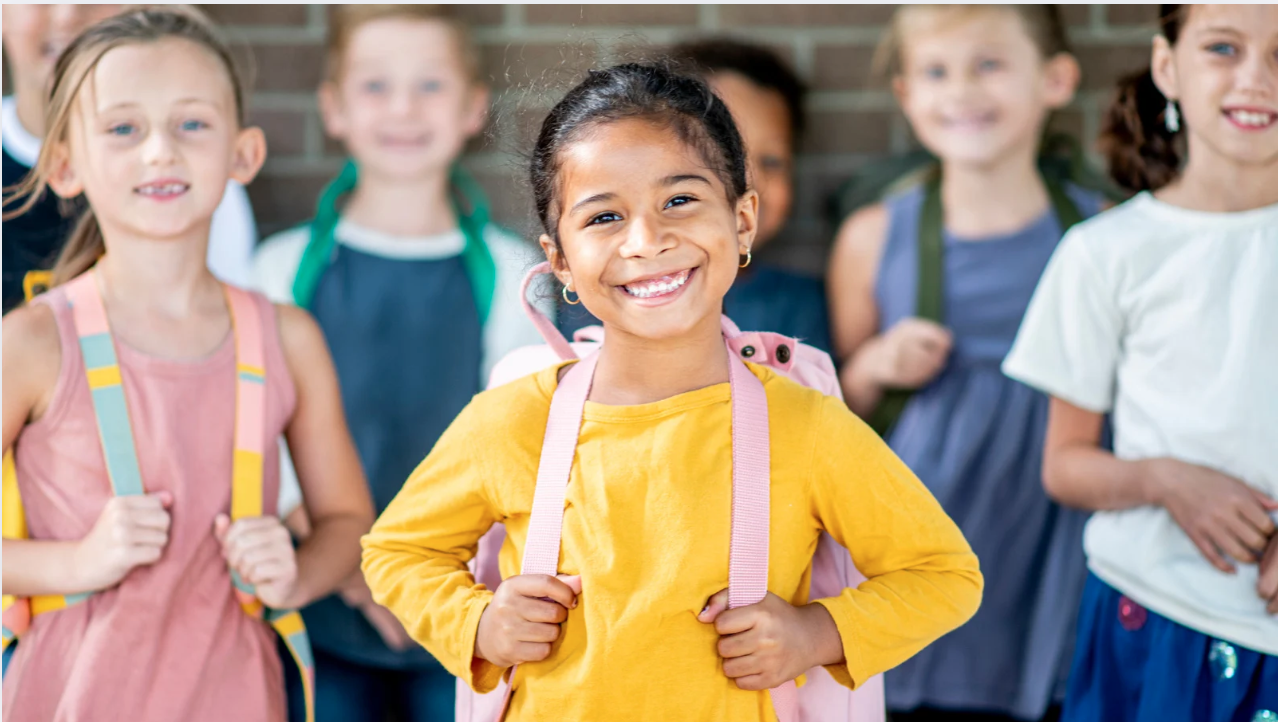
Skill-Building Services
Not every child who struggles with a skill qualifies for speech or occupational therapy, but that doesn't mean they don't deserve support.
At Wolfe & Cub Learning Center, we provide individualized, evidence-informed skill-building services designed for children who need extra guidance developing the foundational skills that support success at home, at school, and in everyday life.
Our individualized sessions focus on building confidence, independence, and meaningful progress through engaging, personalized instruction tailored to each child's unique strengths and needs.
Areas of support may include:
Communication Skills
Social Skills
Fine Motor Skills
Executive Functioning
Emotional Regulation
School Readiness
Early Literacy & Reading Skills
Writing & Academic Support
All services are provided by a Certified Special Education Teacher and Literacy Specialist with extensive experience supporting neurodivergent learners and children with diverse learning needs.
We offer both one-on-one and small group sessions in a warm, supportive environment where every child is encouraged to learn, grow, and thrive.
Because every child deserves the opportunity to build confidence, develop essential life and learning skills, and reach their full potential.
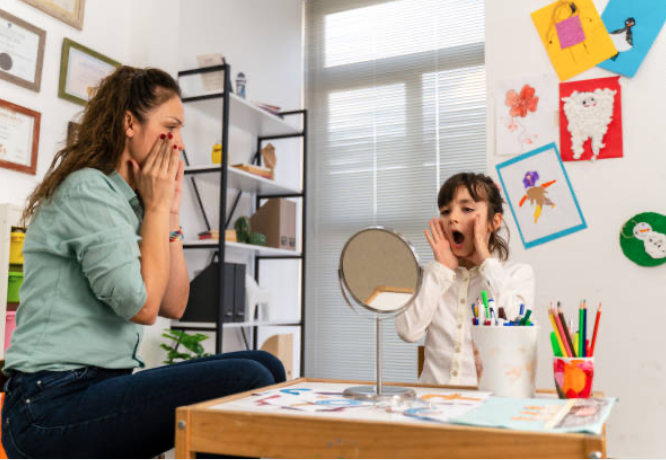
Speech Therapy
Our Speech Therapy services help children communicate effectively and confidently through individualized, strengths-based support focused on real-life communication skills.
Language Development
We support receptive and expressive language skills, including understanding directions, expanding vocabulary, building sentences, and expressing thoughts, needs, and ideas clearly.
Social Communication
Therapy targets conversation skills, turn-taking, topic maintenance, understanding social cues, perspective-taking, and communicating appropriately across different settings.
Articulation
We help students improve speech sound production and clarity, focusing on correct sound formation, speech intelligibility, and confidence when speaking.
Augmentative & Alternative Communication (AAC)
For students who benefit from additional communication supports, we provide instruction using AAC systems such as picture communication, speech-generating devices, and other assistive technology. AAC helps reduce communication frustration, support language development, and empower students to communicate effectively across environments.
Our goal is to support meaningful, functional communication while honoring all forms of expression.
Occupational Therapy
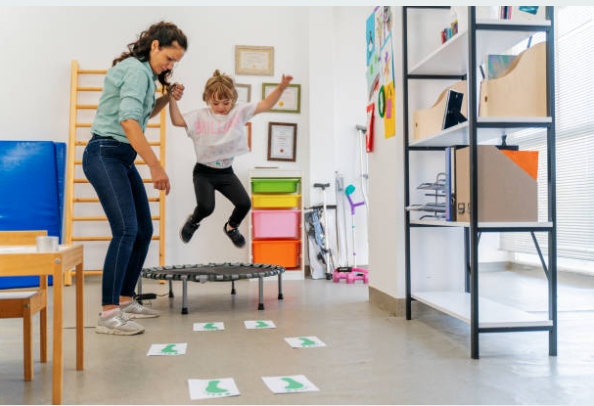
Our Occupational Therapy services support children in developing the skills they need to participate successfully in daily routines at home, school, and in the community. Services are individualized and play-based, while remaining purposeful and goal-driven.
Fine Motor Skills
We help students strengthen the small muscles of the hands and improve coordination needed for everyday tasks such as writing, cutting, buttoning, using utensils, and manipulating classroom materials.
Sensory Regulation
Many children experience challenges processing sensory information. We support students in understanding their sensory needs and developing strategies to stay regulated, focused, and calm. This may include movement, sensory tools, and coping strategies tailored to each child.
Daily Living Skills
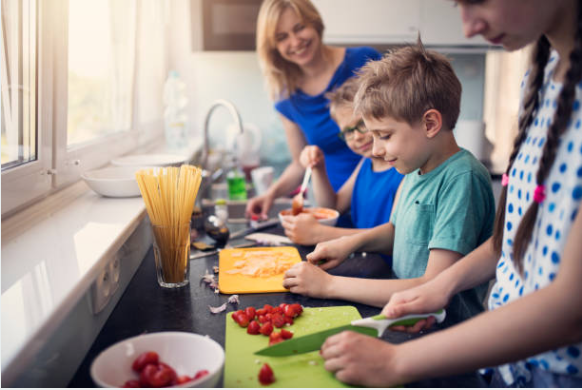
Occupational Therapy also targets functional life skills such as self-care routines, organization, time management, and independence with daily tasks—building confidence and promoting greater independence across environments.
Life Skills & Job Readiness
Our Life Skills & Job Readiness Program helps children, teens, and young adults build the confidence, independence, and practical skills needed for success at home, school, in the community, and eventually the workplace. Instruction is individualized, hands-on, and designed to meet each learner where they are.
Program Focus Areas:
• Daily living & self-care skills
• Organization & time management
• Executive functioning skills
• Emotional regulation & problem-solving
• Functional academics & financial literacy
• Communication & self-advocacy
• Community & safety skills
• Job readiness & workplace expectations
• Pre-vocational skill development
• Building independence & confidence
Our strengths-based approach celebrates progress while helping every learner develop meaningful skills for lifelong success.
Kindergarten Readiness
Our Kindergarten Readiness Program helps children build the skills needed for a successful transition to school in a fun, supportive environment. Children develop:
• Early literacy & pre-reading skills
• Early math & number sense
• Fine motor & handwriting readiness
• Gross motor & coordination skills
• Communication & language development
• Following directions & routines
• Social skills & peer interactions
• Emotional regulation & confidence
• Independence & self-help skills
• Classroom readiness & school success
Our goal is to help every child enter kindergarten feeling confident, capable, and excited to learn.
Early Literacy & Math Intervention
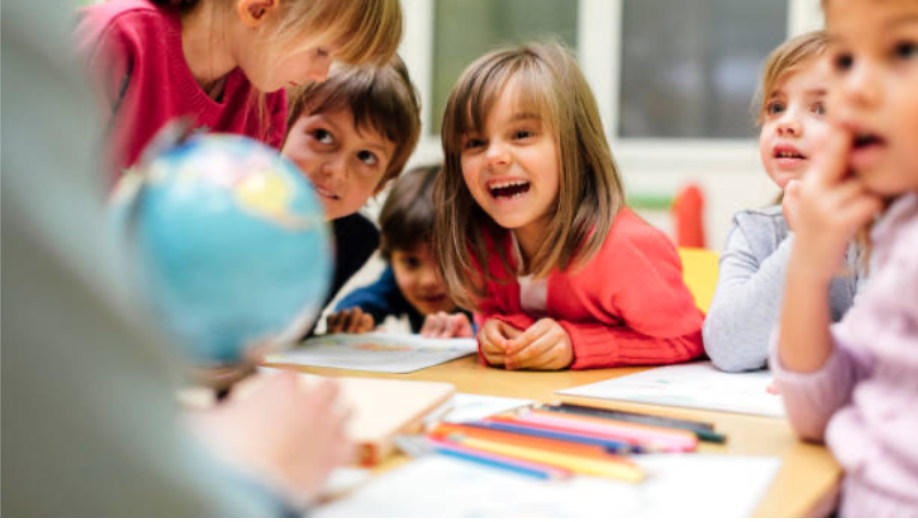
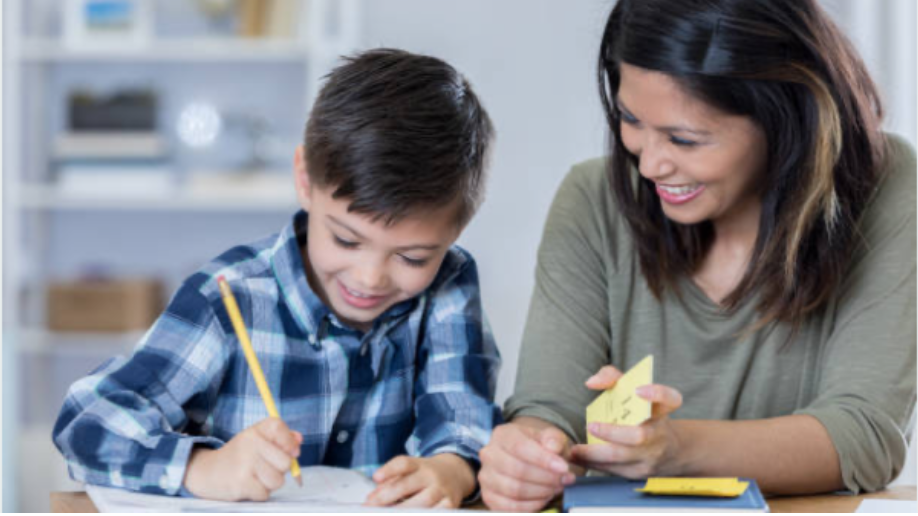
Our Early Literacy & Math Intervention services help young learners build the foundational skills needed for future academic success. Using engaging, hands-on, and evidence-based instruction, we support the development of early reading, writing, number sense, and problem-solving skills in a fun and encouraging environment.
Areas of support may include:
Letter and sound recognition
Phonological awareness and early reading skills
Beginning writing skills
Number recognition and counting
Number sense and early math concepts
Problem-solving and critical thinking
Kindergarten readiness skills
Our goal is to build confidence, foster a love of learning, and create a strong foundation for lifelong success.
Personalized Academic Support
Our Personalized Academic Support services provide individualized instruction for students in elementary, middle, and high school. Support is tailored to each learner's unique strengths, challenges, and goals to help them build confidence, independence, and academic success.
Areas of support may include:
Reading comprehension and fluency
Writing and written expression
Math skills and problem-solving
Study skills and organization
Executive functioning
Homework support
Test preparation
Self-advocacy and learning strategies
Dyslexia-informed instruction
Individualized learning plans
Using strengths-based, evidence-informed practices, we help students develop the skills, confidence, and independence needed to succeed both in and out of the classroom.
Social Skills
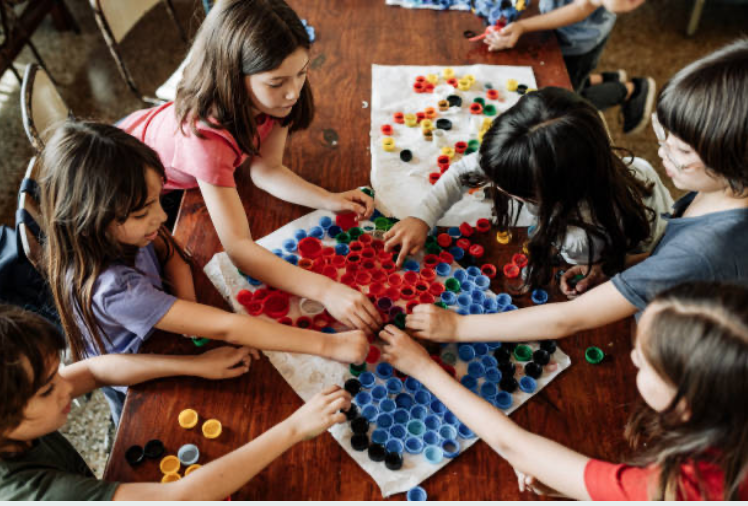
Our Social Skills Groups and individual support helps children and teens develop the communication, emotional regulation, and interpersonal skills needed to build meaningful relationships and navigate everyday social situations with confidence. Groups are organized by age and provide a supportive environment where students can learn, practice, and grow alongside peers.
Program Focus Areas:
• Communication & conversation skills
• Friendship building & peer interactions
• Emotional regulation & coping strategies
• Problem-solving & conflict resolution
• Perspective-taking & empathy
• Self-advocacy & self-confidence
• Social decision-making
• Cooperation & teamwork
• Understanding boundaries & social expectations
• Building independence & resilience
Through structured activities, guided discussions, games, and real-life social scenarios, students develop the skills and confidence needed to thrive at school, home, and in the community.